
Rethinking Data as the Enterprise’s Most Enduring Asset
The Enterprise Data Transformation Symposium (EDTS) 2023 brought together leading voices in knowledge graphs, FAIR data, and data-centric architecture for two days of case studies, strategies, and forward-looking insights. With 15 sessions, spanning industries from pharma to retail, the symposium showcased how organizations are rethinking data as their most enduring enterprise asset.
Featured Sessions & Speakers

Dr. Daniel Burgwinkel — Opening Keynote
Outlined why enterprises must move from app-centric silos to data-centric approaches, framing the week around cost reduction, agility, and long-term resilience.

Fernando Mesa
Emphasized strategies for bridging technical and business perspectives in data transformation initiatives, ensuring alignment across stakeholders.

Heather Wojton
Shared insights on the organizational and cultural dimensions of transformation, focusing on leadership, alignment, and enabling teams to adopt semantic practices.

Dr. Irlan Grangel Gonzalez
Presented approaches for structuring enterprise data transformations, with emphasis on governance and the practical challenges of implementing semantic models.

Jonathon Storm
Discussed enterprise-level data challenges and opportunities, focusing on aligning semantic strategies to business goals and delivering measurable outcomes.

Martin Romacker (Roche Pharmaceuticals)
Highlighted Roche’s efforts in applying FAIR data principles across R&D and beyond, showing how data-centric approaches support innovation, compliance, and long-term scalability.

Alan Morrison
Explored the evolution of enterprise knowledge ecosystems, emphasizing the interplay between data-centric principles, semantic technologies, and the rise of AI-driven automation.

Ashleigh Faith
Bridged semantic theory with enterprise application, showing how ontologies can be introduced incrementally to improve data accessibility, governance, and trustworthiness.
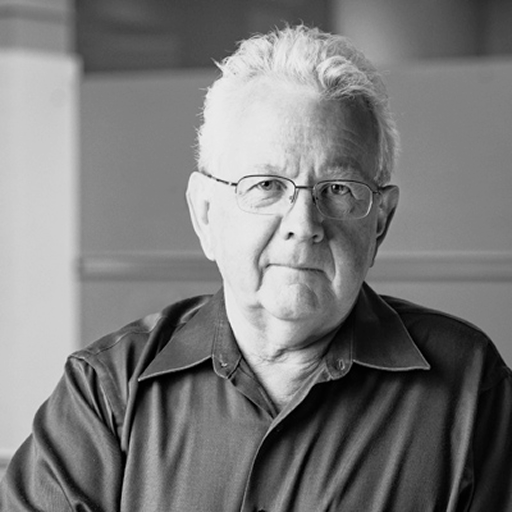
Dave McComb (Semantic Arts)
Presented the core principles of data-centric architecture, illustrating why applications should adapt to data—not the other way around. Emphasized treating data as the enduring enterprise asset.

Gregor Wobbe
Shared insights on applying semantic principles to complex ecosystems, with a focus on interoperability, sustainability, and practical methods for scaling.

Peter Hutzli
Discussed methods for advancing data-centric practices, aligning semantic technology with business outcomes and system interoperability.

Georg Geiger
Explored the practical implementation of semantic data models, focusing on reducing integration costs and increasing enterprise resilience.

Katariina Kari (Inter IKEA Systems BV) — Bonus Session
Presented data-centric product experiences at IKEA, demonstrating how semantic data and ontologies enable smarter recommendations and personalization.

Michael Uschold (Semantic Arts) — FAIR for Free with Data-Centricity
Explained how data-centric architecture inherently delivers FAIR principles without additional overhead, embedding findability, interoperability, and reusability by design.
Martin Romacker (Roche Pharmaceuticals) — Bonus Session
Extended his perspective on FAIR and data-centricity in pharma, highlighting the journey of applying semantic practices beyond R&D and into enterprise operations.
Key Themes That Emerged
- The Business Imperative — Atkin, Fogelson, and McComb made the economic case: app-centricity is unsustainable, data-centricity reduces costs and drives new revenue.
- FAIR Everywhere — Roche, AstraZeneca, and Semantic Arts showed FAIR is both achievable and essential when data is modeled semantically.
- AI Grounded in Knowledge — Accenture, Bosch, Franz/Fluree, and others demonstrated how knowledge graphs make generative AI explainable and trustworthy.
- Cross-Industry Validation — Pharma, retail, media, real estate, and manufacturing each showcased practical wins.
- Operationalization — Talks on recursion, SemOps, and governance stressed that scaling semantics requires both methodology and culture change.

What Attendees Gained
- Blueprints for adoption: From the business case to FAIR implementation to AI augmentation.
- Proof across industries: Concrete evidence that data-centric methods work beyond theory.
- Confidence in AI readiness: Clarity on how to combine LLMs with KGs safely.
- Operational practices: SemOps pipelines, governance models, and recursive graph strategies.
- Shared conviction: The enterprise future is data-centric, semantic, and AI-augmented.
Closing
EDTS 2023 delivered a compelling vision and practical playbooks, showing enterprises how to transform data into their most enduring asset—ready for AI, scalable across domains, and aligned with FAIR principles.