
Two days of production case studies from pharma, media, finance and clinical research
The 2026 Enterprise Data Transformation Symposium (EDTS) brought together practitioners building data-centric architectures inside large, regulated organizations. Speakers from Netflix, Bloomberg, Roche, AstraZeneca, AbbVie and others showed what semantic models look like once they are carrying real production load, and what it actually takes to get engineering teams to adopt them.
Featured Speakers
Semantics at Enterprise Scale

Ora Lassila (Amazon Neptune) — Principal Technologist
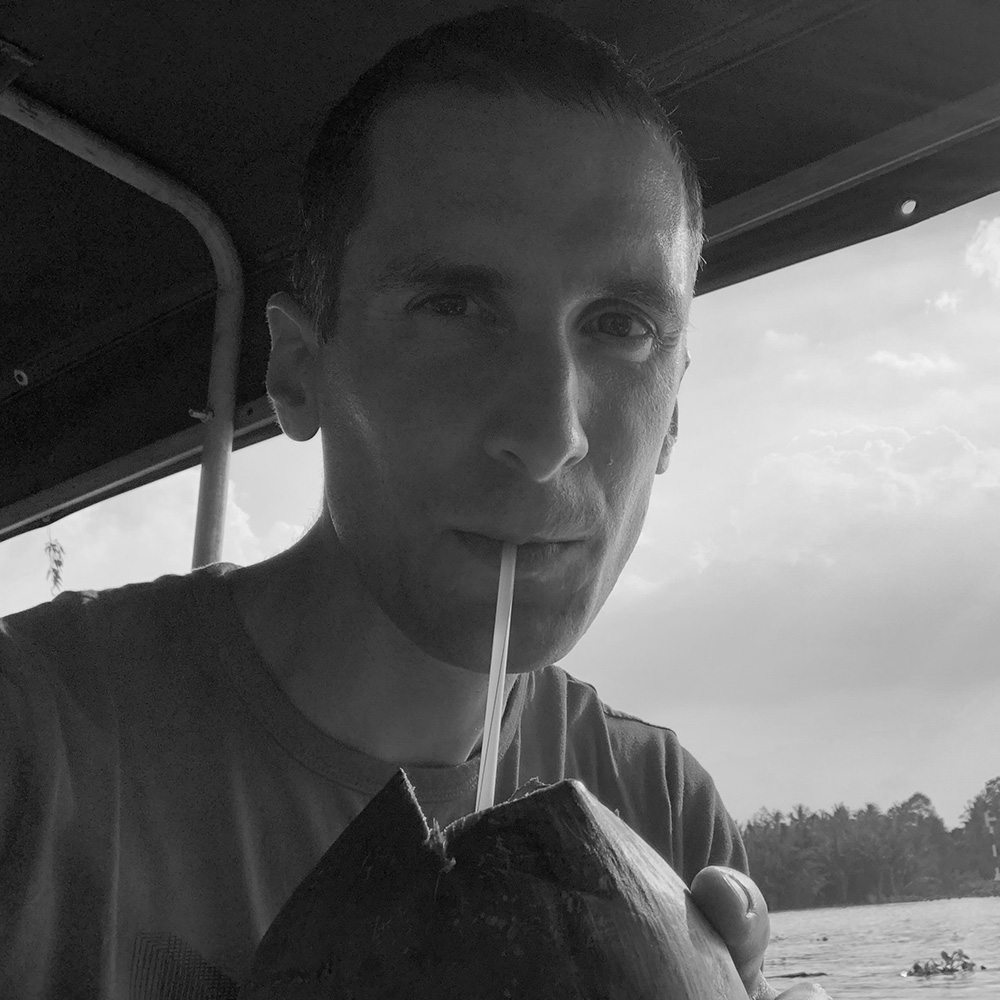
Alexandre Bertails (Netflix) — Semantic Interoperability at Scale with Conceptual RDF
Showed how RDF can serve as a conceptual layer that gives dozens of competing schemas one definition to derive from, while instance data stays exactly where it is.
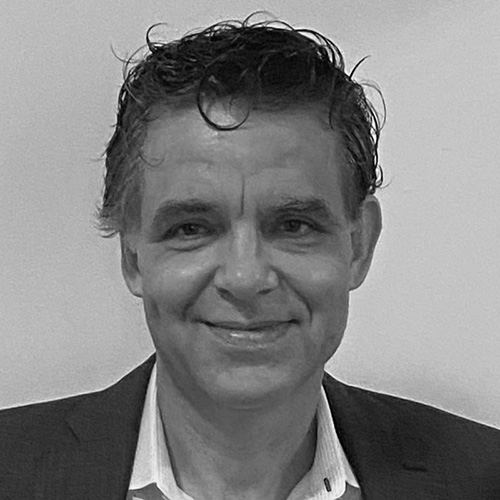
Mike Pool (Bloomberg) — Data Instance Registries and Enterprise Knowledge Graphs
Worked through what belongs in a data instance registry, what does not, and the role it plays in building a better enterprise knowledge graph.
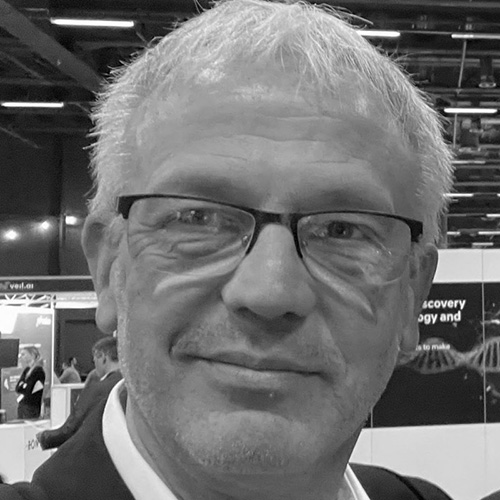
Martin Romacker (Roche) — Model-Driven Application Design on a FAIR Semantic Metadata Registry
Detailed Roche’s terminology and interoperability system, and a hybrid governance model pairing a central metadata inventory with federated freedom for individual data domains.
Knowledge Graphs in Life Sciences

Ben Gardner (AstraZeneca) — Enabling New Medicines via Scientific Intelligence
Integrated more than twenty sources and over ten trillion triples into a single semantic knowledge graph, turning cohort work that took weeks or months into minutes.
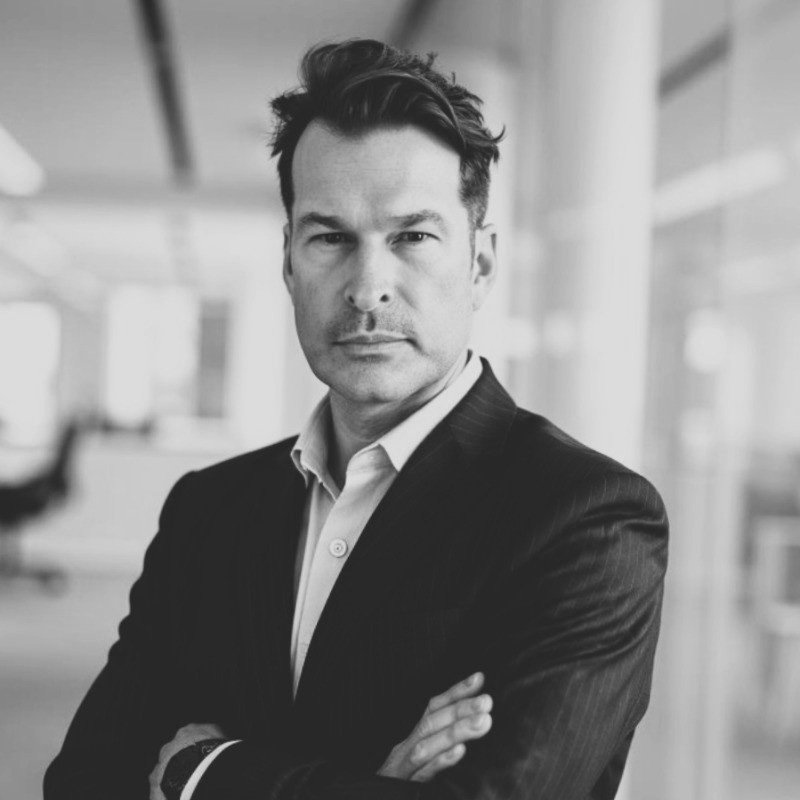
Ryan Chandler (AbbVie) — Toward the Cognitive Enterprise
Traced the ARCH knowledge graph from a harmonization project to the core resource behind target identification, drug repurposing and asset prioritization.
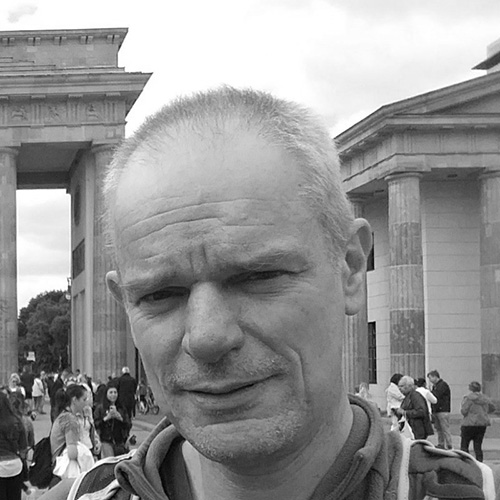
Nick Lynch (Curlew Research) — Sharing Antiviral Discovery Data
Made the case for sharing drug discovery data openly, and for depositing it in FAIR repositories where other teams can actually find and reuse it.

Andrei Seryi (PSI CRO) — Untangling Complexity: Semantics and the Future of Clinical Trials
Showed how an enterprise ontology digitizes the trial protocol itself, letting AI agents simplify and speed up the processes built around it.
Grounding AI in Trusted Data

Ashleigh Faith (IsA DataThing) — Reducing Risk and Adding Trustworthiness to AI through Knowledge Graphs
Walked through using graph statements for fact verification, data validation and entity resolution, and why conflicts inside your own data still drive hallucination.

Bilal Ben Mahria (TeamEx) — Large Language Models as Generative Ontologists
Examined where LLM-generated ontologies break down, from hallucinated classes to amplified bias, and made the case for treating them as co-pilots rather than autonomous ontologists.
From Model to Working System
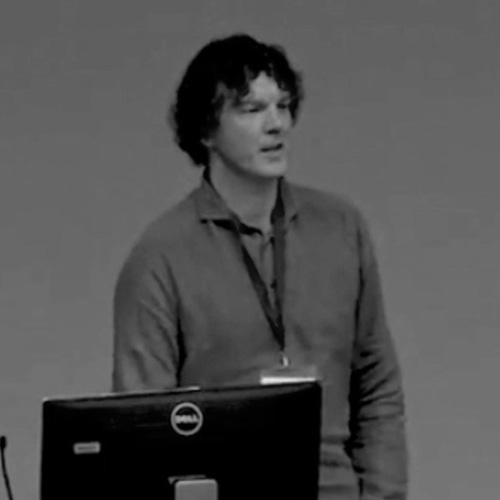
Dougal Watt (Graph Research Labs) — The Graph Middleware Layer
Generated REST APIs, React applications and MCP servers straight from a declarative ontology, so developers get the tools they already know while ontologists keep control of the model.
Katariina Kari (ExClaM! Digital) — From Silos to Shared Practice: Making Data Everyone’s Business
Showed what it looks like when data development is a shared practice across management, product and engineering, with the conceptual model of the business made machine-readable.
Key Themes That Emerged
- Semantics without migration — The strongest architectures treated the graph as a conceptual layer and left instance data where it already lived.
- Life sciences led — Pharma and clinical research supplied the deepest production case studies, at scales measured in trillions of triples.
- Graphs as AI guardrails — Knowledge graphs were used to verify facts and cut hallucination, while LLMs proved most useful as ontology co-pilots rather than autonomous ones.
- The adoption gap is tooling — Familiar APIs, generated applications and standard deployment paths mattered more to adoption than the quality of the model.
- Governance as an accelerator — Hybrid models pairing a central inventory with federated domain freedom kept agility without losing interoperability.

What Attendees Took Away
- A path that does not require a rebuild: formalize the concepts first, and let existing systems keep their data.
- Evidence at production scale: working graphs in regulated environments, with the integration counts and query volumes to match.
- Practical AI grounding: concrete techniques for using graph statements to validate what a model asserts.
- An answer to the adoption question: generate the interfaces engineers already use rather than asking them to learn a query language.
- Governance patterns that scale: central where it must be, federated where it can be.
Closing
The 2026 EDTS made one thing plain: the hard part is no longer proving that semantic models work. The case studies are in production, in regulated industries, at scale. The open problem is adoption, and the talks that landed hardest were the ones that met engineering teams where they already are.